
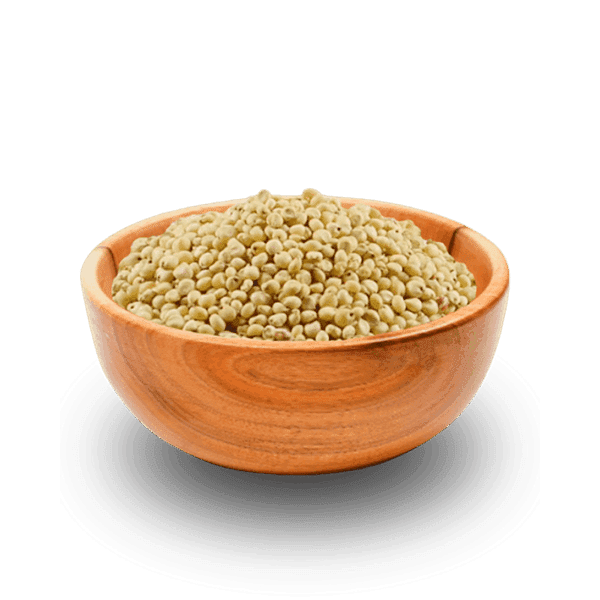
Grains · cholam
Sorghum Millet | Cholam
₹41
Inclusive of all taxes
Weight
300 g
🌾
100% Natural
🚚
Free shipping ₹499+
↩
7-day returns
Also known as: Sorghum (Sorghum bicolor) and Millet (various types such as Pearl Millet, Finger Millet, Foxtail Millet, and Proso Millet)
About
Sorghum and millet are both ancient grains that have been cultivated for thousands of years and are staples in many parts of the world, particularly in Africa and Asia. Here's a brief overview of each:
-
Sorghum: Sorghum, also known as jowar, is a cereal grain that belongs to the grass family Poaceae. It's widely cultivated in warm climates and is especially important in parts of Africa, Asia, and Central America. Sorghum is highly versatile and can be used for various purposes, including human consumption (as flour, whole grain, or syrup), animal feed, and even in the production of biofuels. It's gluten-free and rich in nutrients like fiber, protein, and antioxidants.
-
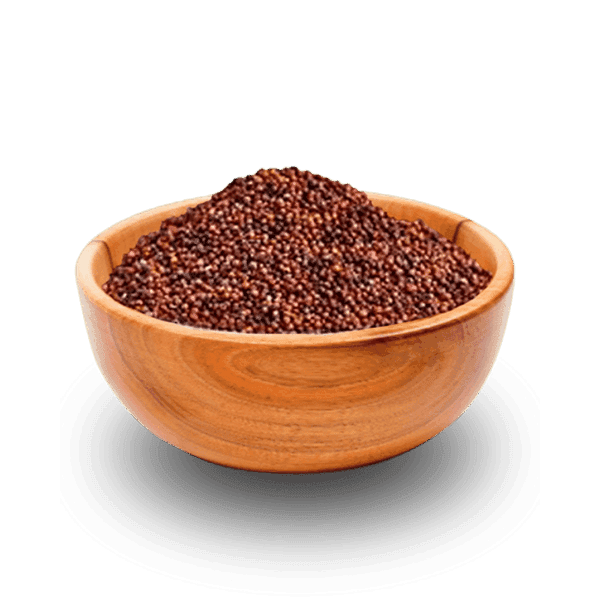
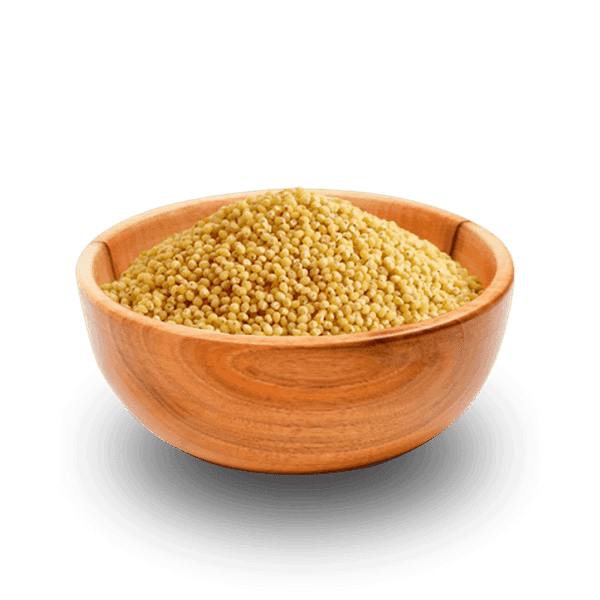
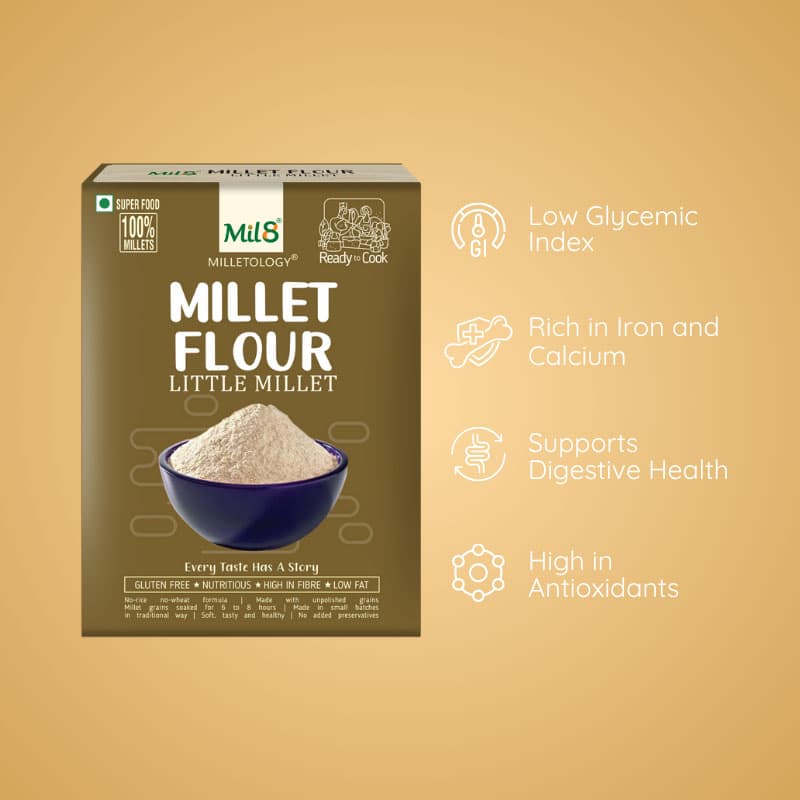
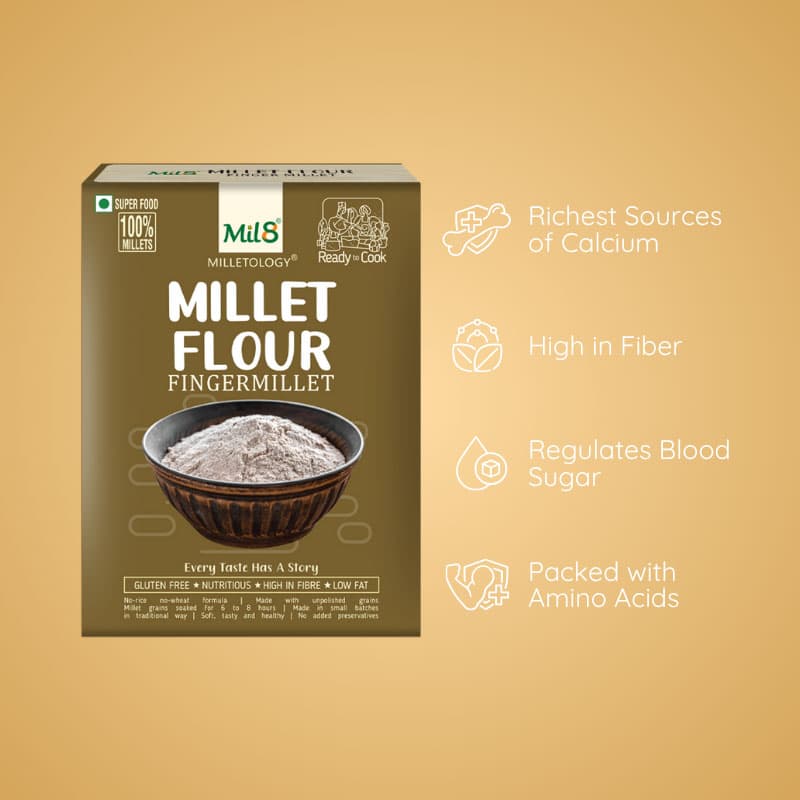
Millet: Millet refers to a group of small-seeded grains that belong to the Poaceae family. There are several types of millet, including pearl millet, finger millet, foxtail millet, and proso millet. Millets are traditionally grown in semi-arid regions of Africa and Asia and are known for their resilience to drought and harsh conditions. Like sorghum, millet is gluten-free and nutritionally rich, offering a good source of protein, fiber, vitamins, and minerals. Millet is commonly consumed as a whole grain, ground into flour for various culinary purposes, or used as fodder for animals.
REVIEWS & RATINGS
What customers say
Be the first to review
Share your experience and help others make an informed choice.
MORE LIKE THIS