
Grains · Elder's
Little Millet | Chama
₹160
Inclusive of all taxes
Weight
450 g
🌾
100% Natural
🚚
Free shipping ₹499+
↩
7-day returns
Also known as:
About
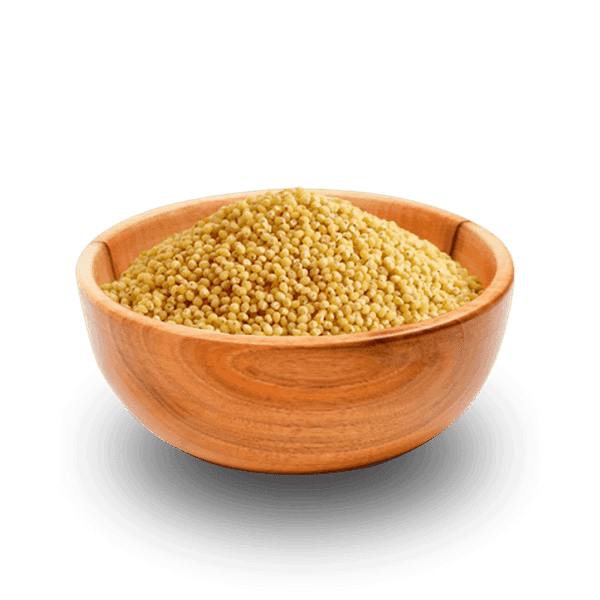
Little millet, scientifically known as Panicum sumatrense, is a small-seeded grain that belongs to the millet family. It's often referred to as "samai" or "samalu" in India, where it's commonly cultivated and consumed. This grain has been a part of traditional diets in many parts of the world, especially in South Asia and Africa, for centuries.
Here are some key points about little millet:
-
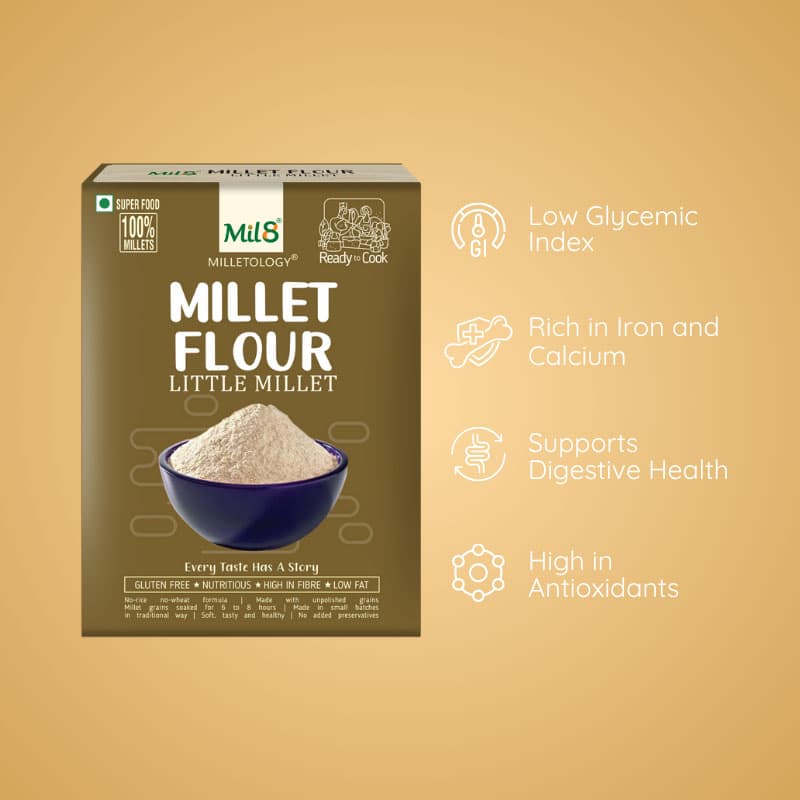
Nutritional Profile: Little millet is highly nutritious, rich in carbohydrates, dietary fiber, and various micronutrients such as iron, calcium, magnesium, and zinc. It's also gluten-free, making it suitable for people with gluten intolerance or celiac disease.
-
Health Benefits: Due to its nutritional composition, little millet offers several health benefits. It helps in managing diabetes due to its low glycemic index, aids in weight management, improves digestion, and provides sustained energy release.
-
Cooking Uses: Little millet can be used in various culinary preparations, similar to other millets. It can be cooked as rice, used in porridge, added to soups, or ground into flour for making rotis or bread. Its nutty flavor adds a distinct taste to dishes.
-
Cultivation: Little millet is a hardy crop that grows well in semi-arid tropical regions. It requires less water compared to other grains like rice and wheat, making it suitable for cultivation in dryland areas. It's a resilient crop, resistant to pests and diseases.
-
Environmental Benefits: Cultivating little millet can have environmental benefits such as soil conservation, water conservation, and biodiversity preservation. Its cultivation promotes sustainable agriculture practices, especially in regions prone to drought or water scarcity.
-
Cultural Significance: Little millet holds cultural significance in many communities where it's consumed. It's often used in traditional rituals, festivals, and ceremonies, symbolizing prosperity and well-being.
REVIEWS & RATINGS
What customers say
Be the first to review
Share your experience and help others make an informed choice.
MORE LIKE THIS